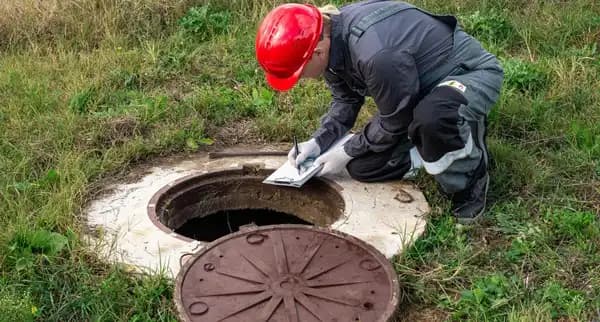
Septic Squad providing septic system inspections at a Dripping Springs, Texas property
Hays County

Septic Inspectionsin Dripping Springs, Texas

Pre-purchase and routine inspections across Dripping Springs and western Hays County, built around the aerobic systems and aquifer-zone rules that govern almost every property here.

Septic Inspections in Dripping Springs

What to expect before you book.

County
Hays
Typical system
Aerobic
Report
Same day
Best for
Home sales
Call (512) 729-5861
Same-day windowsacross Hays County
Licensed & insuredTexas OSSF compliant disposal
5.0 from 249 reviewsLocally owned, 10 years
Local knowledge

Septic System Inspections in Dripping Springs, Texas

An inspection in Dripping Springs is a different exercise from one almost anywhere else in the metro, because the systems are different. Most of the area sits on the Edwards Plateau with limestone within inches of the surface, and much of it lies over Edwards Aquifer recharge and contributing zones. Between them, those two facts mean a conventional drainfield is largely unavailable for new work — a site evaluation here typically supports only aerobic treatment with surface spray dispersal. So on most Dripping Springs properties there is no buried gravel bed to assess. What you are buying instead is a piece of mechanical and electrical equipment that treats wastewater continuously, and the question is whether it has been maintained.

That shifts where the risk sits. On a conventional system the drainfield is the expensive unknown and the tank is comparatively simple. On an aerobic unit the tank is the simple part, and the aerator, chlorinator, control panel, floats and spray field are what determine whether the system is actually treating or merely holding. An aerator that has failed does not announce itself from inside the house — the system quietly stops treating while everything upstairs behaves normally, and in a recharge zone that matters to more people than the owner.

The second thing we look at is the paperwork, and in Hays County it carries more weight than most buyers expect. Aerobic systems in Texas carry a continuing maintenance obligation with reporting attached, and in this area those obligations are meant seriously rather than treated as filing. A system with no maintenance history is a genuine negotiating point, not a technicality. Hays County Development Services holds the permit file for the address under TCEQ Chapter 285, and that file records the design flow the system was permitted for — which is worth comparing against how the property is actually used. A house permitted for three bedrooms and lived in as five, or a property that has added a guest house or a short-term rental, is running a system beyond what it was sized for, and that is the kind of thing that surfaces at the worst possible moment.

Why Dripping Springs calls Septic Squad

We service aerobic systems across Dripping Springs every week, so an inspection here is not an unfamiliar format for us. We check what the equipment is actually doing — whether the aerator is running and moving air, whether the chlorinator has product and is dosing, whether the spray field is dispersing evenly or pooling at a dead head — alongside the tank itself and the sludge line against the outlet. You get photographs, condition notes and a straight separation of what needs attention now from what to watch. We pump and inspect rather than sell repairs, so nothing about the answer works in our favour one way or the other.

The essentials

Septic Inspections in Dripping Springs: what to know

System types

Aerobic is the default here

Aerobic treatment units with surface spray dispersal are the standard throughout Dripping Springs, and in aquifer-sensitive areas they are frequently the only configuration a site evaluation will support. Some older properties still run conventional tanks that predate current requirements, and those get a conventional inspection with the drainfield assessed properly. Commercial properties — the venues, breweries and kitchens along the US 290 corridor — run substantially larger systems designed around peak event flow rather than steady daily use, and those are inspected against the calendar they actually serve.

Records

Hays County holds the file, and design flow matters

Permitting runs through Hays County Development Services under TCEQ Chapter 285, with extra constraints across recharge and contributing zones. The permit file records the design flow the system was built for. Compare it against how the property is used now: added bedrooms, a guest house, or a short-term rental can put a system well past its permitted capacity without anyone noticing until it fails. A gap in the maintenance record on an aerobic system is worth raising before closing, not after.

On site

Acreage, long drives and gated entries

Dripping Springs properties run from subdivision lots to substantial acreage, and access varies with it — long private drives, slope and gated entries are all common, and the tank is often a good distance from where a truck can reasonably stop. Extended hose runs cover most residential situations. Tell us about the access and the gate code when you book and the visit runs to time instead of starting with a walk of the property.

What you get

What a Dripping Springs visit covers

Aerator, chlorinator and control panel

Whether the aerator is running and actually moving air, whether the chlorinator has product and is dosing, and what the panel and floats are reporting.

Spray field performance

Checked for even dispersal, pooling, dead heads and any sign of effluent surfacing — which in a recharge zone is more than a nuisance.

Tank structure and baffles

Walls, lid and accessible components, with sludge and scum measured against the outlet rather than estimated.

Maintenance history

Whether the continuing obligation on an aerobic system has actually been met, and what the absence of records means for a buyer.

Same-day digital report

Photographs of what we found, condition notes, and a plain account of what needs attention now versus what to keep an eye on.

An honest limitation

We do not perform LCRA inspections or assess electronic components and mechanical pump systems. On an aerobic-heavy market that limit matters, so if a full electrical and mechanical assessment is what you need, say so when you book and we will tell you straight.

Questions

Septic Inspections in Dripping Springs: common questions

What does a septic inspection cover on a Dripping Springs aerobic system?

The tank and its accessible components, plus the treatment side that a conventional inspection has no equivalent of: whether the aerator is running and moving air, whether the chlorinator is dosing, what the control panel and floats report, and whether the spray field is dispersing evenly rather than pooling or leaving dead heads. On most properties here that treatment equipment is where the real condition of the system lives. Note we do not inspect electronic components or mechanical pump systems specifically.

Why are septic rules stricter in Dripping Springs?

Much of the area lies over Edwards Aquifer recharge and contributing zones, where what happens to effluent has consequences for a water supply a great many people downstream depend on. Site evaluations in sensitive areas typically support only aerobic treatment with surface dispersal rather than a conventional drainfield, and the maintenance and reporting obligations that come with an aerobic system are enforced meaningfully rather than treated as paperwork.

I am buying a house in Dripping Springs. What should I ask for?

The maintenance records for the aerobic system and the permit file from Hays County Development Services. The records tell you whether the equipment has been serviced or merely owned; the permit tells you the design flow the system was sized for. Then compare that design flow to how you intend to live in the house. A system permitted for a three-bedroom home and used by a larger household, or with a guest house or short-term rental added, is running past its capacity, and that is a condition you want priced in before closing.

How long does an inspection take out here?

One to two hours for most properties, and on larger acreage a little longer simply because the tank and the spray field can be a fair distance apart and both need walking. You get the digital report the same day.

Do you inspect commercial systems for venues and kitchens?

Yes. Venue and restaurant systems are sized around peak event flow rather than steady daily use, so they are assessed against the calendar they actually serve. If you are buying or expanding a venue, the question worth answering early is what the system is permitted and built to handle — expanding capacity without addressing the wastewater side is a common and expensive oversight in this area.

How often should a Dripping Springs system be inspected?

An aerobic system needs its equipment checked far more often than the tank needs emptying — that is the ongoing maintenance obligation, not an optional extra. A full inspection every one to three years is sensible on top of that, and always before buying. If a property has sat empty for a season, have it looked at before you rely on it: aerators and chlorinators do not do well unused.

Nearby

Other areas we serve

Communities close to Dripping Springs, each with its own local guide.

Call Now💬 Get an Estimate
Book Online