 SEPTIC
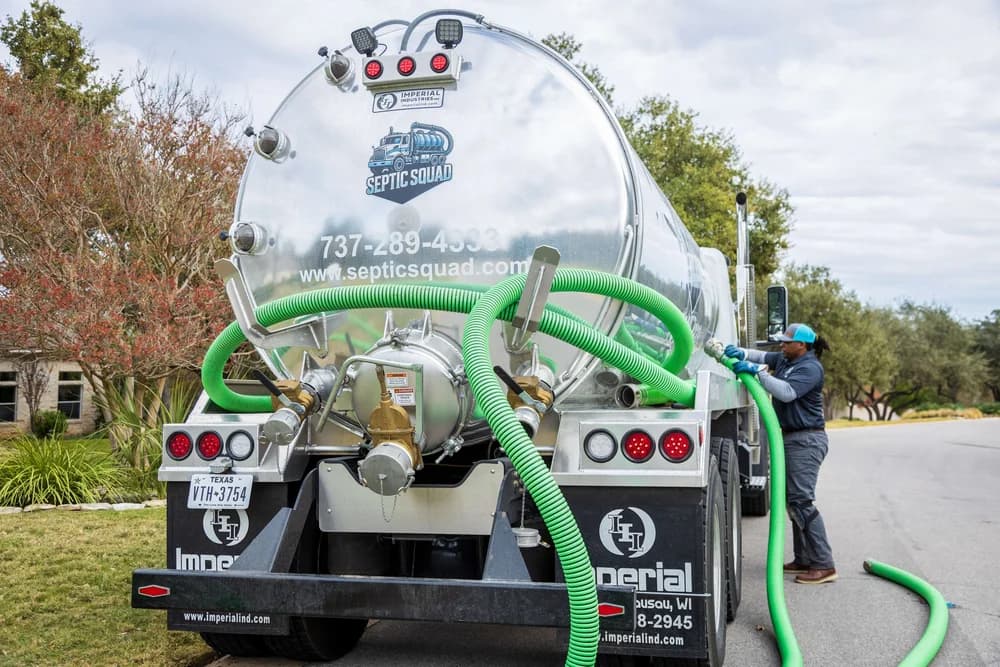
Lift Station Pumping in Cedar Park, Texas
Cedar Park grew from rural acreage to dense suburb in a remarkably short time, and its wastewater network was stitched together as it went. Where a new retail centre or subdivision landed below the nearest main — down toward Brushy Creek and its tributaries, or on the far side of the rise where the prairie starts climbing toward the Edwards Plateau — a lift station connected it. The 183A and Whitestone corridors are lined with restaurants and retail, and many of those buildings drain through stations their owners rarely see.
Restaurant grease is the steady problem. Even with a well-kept trap, some grease gets through, and in a downstream wet well it rises and hardens into a mat that coats floats and gathers rags into the intakes. The less obvious problem is water that should not be there. Older pipes and loose fittings let groundwater and storm runoff seep into the system, and after heavy rain a station near the creek can run far longer than usual, wearing pumps and floats harder than the dry-weather load would suggest. When a station alarms after a storm, that inflow is often the reason.
Regular clean-outs keep the grease and solids from compounding the strain. They are also a chance to look at the well after a wet season and see whether anything has changed.
Why Cedar Park calls Septic Squad
Cedar Park is an easy run for our Williamson County trucks, and a lot of our work here is around the retail corridors where kitchens work long hours. We plan clean-outs for the quiet part of the day, clear the well completely — grease, debris and floor solids — and tell you what we saw of the floats and well. After a wet stretch, that look inside is particularly worth having.